


Kryss - The Battle of Words
4.49.15K Reviews
App Specs
- Version
- 9.86
- Updated On
- License
- Free
- Downloads
- 5,000,000+
- Developer
- Crossword & Sudoku Games LTD
- Categories
- Word
- Platform
- Android, iOS
Screenshots
 Analysis by AppCompare
I like word games that let me think at my own pace without turning every session into a long solo puzzle. Kryss - The Battle of Words puts a competitive spin on crossword-style play: instead of filling a grid alone, I work through it against another player, making each letter placement part of a shared contest. That small change gives familiar wordplay a social purpose, though it also means the experience suits people who enjoy taking turns rather than those looking for a purely private puzzle.
Why the turn-based word duel is the main attraction
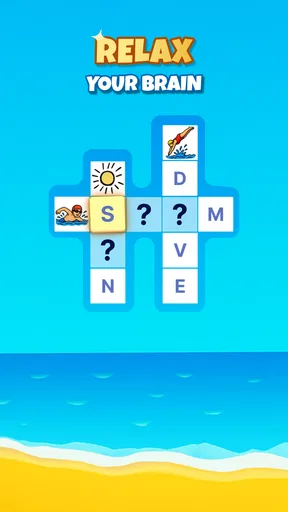
The defining idea is simple but meaningful: both players contribute to a crossword-like grid over the course of a match. In my experience, that makes each move feel more consequential than a guess in a standard solo crossword. I’m not only asking which word fits; I’m also considering whether a placement helps me make the most of my letters and how the board may develop for the other player.
That structure is a good fit for brief gaps in the day. I can make a move, put my phone away, and return when the match continues, rather than needing to finish an entire puzzle in one sitting. The game is built around alternating turns, so it feels closer to a word-based board game than to a race through a list of clues. Players who enjoy head-to-head word challenges may find that format more engaging than a conventional crossword app.
The pressure of a timed round adds a different texture. It can make a familiar choice feel lively, especially when I spot more than one possible placement and have to decide quickly. Hints offer a nudge when I’m stuck, but I’d treat them as a way to get moving again rather than a substitute for thinking through the board. If I use them whenever a move takes effort, I lose some of the satisfaction that makes the duel interesting.
How a match rewards careful placement
When I approach a turn, I try not to focus only on the first word I can form. The more useful question is whether a placement can contribute to several words at once. That is where the game’s strategy becomes clear: a move that looks modest on its own can be more valuable if it helps complete a few parts of the grid. Taking a moment to scan the surrounding spaces before placing letters is a practical habit, especially when the clock is adding pressure.
A helpful routine is to look for the most constrained spaces first. If several letters already shape a word, I can use those patterns to narrow down what might fit, instead of staring at the whole grid and trying every possibility. Then I compare that option with any placement that could make more than one word. This doesn’t guarantee the best move, but it helps me make deliberate choices without turning each turn into an exhausting search.
The opponent changes how those choices feel. A solo crossword is a private test of vocabulary and patience; here, the same kind of reasoning happens in a contest. That makes a close match more exciting, but it can also make a mistake feel more noticeable. I enjoy the added stakes when I have time to concentrate. If I’m tired or rushing through several tasks, the timer can make the experience feel more stressful than relaxing.
Worth Reading Before You Choose

EA SPORTS FC Mobile 26 Is a Bigger Football Game, but It Takes Time

Flipboard Shows What News Apps Must Do Beyond the Feed

Switching to Android Auto Means Rethinking Your Driving Routine

Google Calendar Makes a Crowded Week Easier to Manage

Ludo King Makes the Most of the Minutes Between Plans

Baby Panda World Brings Quick Play to Modern Phones, but Its Game Library Feels Busy
Where it fits into an ordinary day
A realistic way I’d use it is to start a match during a quiet break, make a considered move, and come back later rather than treating the game as something that demands my full attention for a long stretch. The turn-based setup works well for that stop-and-return rhythm. It is less suitable when I want a self-contained puzzle that I can finish immediately, because an opponent’s turn is part of the format and the match is designed around playing against someone else.
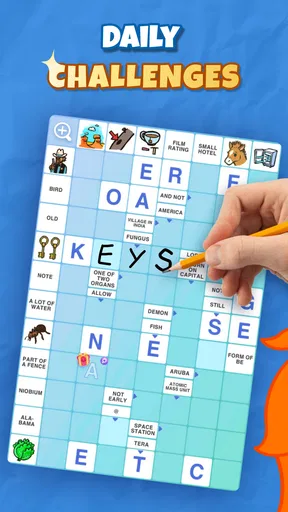
The daily challenges mentioned in the game’s feature set can also make a useful short session for someone who wants word practice without committing to a full duel. I’d approach them as a change of pace, not as a replacement for the main competitive format. If I have only a minute or two, a brief challenge may feel more manageable; if I want the social and strategic side, I’d choose a match instead.
One practical tip is to play when you can give the grid a little attention, rather than opening a timed turn in the middle of something demanding. Another is to resist spending hints on the first difficult-looking space: checking intersecting patterns can often reveal a sensible option and helps build the habit of reading the board. These small choices matter because the game’s appeal comes from weighing moves, not merely tapping letters until something works.
Social play, variety, and presentation
Playing friends or random opponents gives the game more variety than repeating the same kind of solo puzzle. The chat feature can make a match feel more personal, particularly when you already know the person on the other side. I would not treat chat as essential to enjoying the core word challenge, though. Someone who prefers quiet, solitary play can still value the grid and turn structure without making the social side the reason to install it.
Tournaments and daily challenges add alternatives to ordinary matches, while the leaderboard gives competitive players a longer-term goal. Those elements may help keep a regular player interested, but they are not automatically a benefit for everyone. If rankings make a casual hobby feel like a chore, I’d ignore them and focus on individual matches. The game is at its best when competition adds a little motivation rather than turning every session into a test of status.
The visual presentation is straightforward, which helps keep attention on the letters and grid. I found that a useful choice for a game where the important details are small patterns and possible crossings; elaborate effects would be more likely to distract than improve the thinking. Navigation is also presented in a direct way, so moving between play and the other parts of the game does not become the main task.
How it compares with other word games
Compared with a traditional crossword app, this is less about completing a clue-filled puzzle alone and more about making useful placements in a shared contest. Compared with a word game built around a rapid stream of turns, its alternating structure can feel more considered, although the timer still adds urgency. That makes it a middle ground: more social and competitive than a standard solo crossword, but not necessarily the right pick for someone who wants continuous, immediate action.
It is also worth choosing based on what you want from a word game. If your main goal is learning through detailed clue explanations or tackling a large solo puzzle at your own pace, a dedicated crossword app may be a better match. If you like testing vocabulary against another person and thinking about how one placement affects the grid, Kryss has a clearer appeal. The distinction is not simply difficulty; it is whether competition improves the puzzle for you or gets in the way.
As a free word game from Crossword & Sudoku Games LTD, it is easy to try without paying upfront. It has a 4.4 average from around 101,000 ratings and more than 5 million installs, which suggests it has found a substantial audience, though popularity alone cannot tell me whether its turn-based style will suit you. It is rated Everyone, and in-app purchases range from $0.99 to $120.99 per item, so I’d keep an eye on any optional spending and decide for myself whether those extras are worthwhile.
Small frictions worth considering
The competitive format is also the main limitation. Anyone expecting a fully self-contained crossword session may find that playing against an opponent changes the pace in ways they do not want. Likewise, the timer can sharpen concentration, but it is not ideal for a player who wants unlimited time to puzzle over every possible word. I’d choose a conventional offline-style puzzle experience for relaxed, uninterrupted solving, and this game when I’m in the mood for an opponent and a little pressure.
Hints can ease a difficult moment, but they may also reduce the pleasure of discovering a placement on your own. I recommend trying a careful scan of the intersecting letters before using one. And while chat and rankings can add personality for some players, they are optional parts of the appeal rather than reasons everyone should enjoy the game. A player who dislikes social competition can reasonably prefer a solo alternative.
The current version is 9.62, and the game was released on November 23, 2019. Those details are useful context, but what matters more in deciding whether to play is the format: alternating turns, a crossword-style grid, and competitive choices. The minimum operating-system requirement is 7.0, so it is worth checking that your device meets it before trying to install the game.
Who will get the most from it
I’d recommend it to someone who already enjoys crosswords but wants a reason to revisit the board with another player, or to a casual word-game fan who likes strategy in short bursts. It can also suit friends who want a low-pressure way to keep a shared game going between other activities. The strongest match is a player who enjoys looking for efficient placements, can accept a turn-based rhythm, and finds a little competition motivating.
I’d suggest skipping it if you want a strictly solitary puzzle, dislike timed decisions, or need every session to begin and end immediately. It is not a substitute for a deep crossword collection if clue solving is the specific pleasure you’re after. But if the idea of weighing a move, seeing how the grid changes, and returning to a developing contest sounds appealing, its format offers a distinct reason to play.
Overall, I see Kryss as a word game whose value comes from making crossword-style thinking interactive. The interface keeps the board readable, and the match structure gives ordinary letter placement a competitive edge. I would start with casual play, use hints sparingly, and treat rankings as optional. That way, the game stays focused on the satisfying part: finding a smart fit and seeing what your opponent does next.
First things first, setting up Kryss - The Battle of Words is as smooth as butter. Available on both Android and iOS, downloading it is a breeze. Once you’re in, you’ll need to create an account or log in via Facebook. I went with Facebook for convenience, and it was seamless.
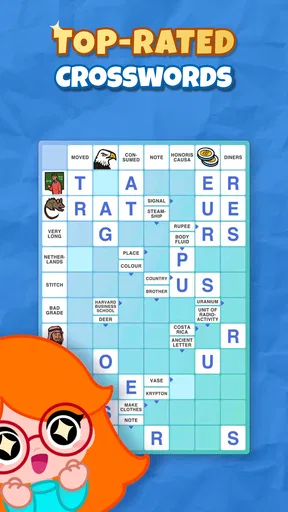
The game is all about challenging friends or random opponents in a battle of wits. The interface is clean and intuitive. You’re greeted with a grid full of words, and your job is to fill it in before your opponent does. It’s like chess, but with words!
Gameplay Dynamics
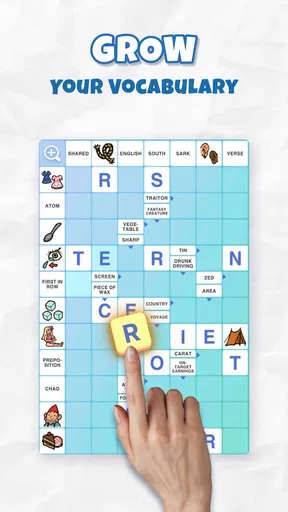
What makes Kryss stand out is its turn-based gameplay. You take turns with your opponent, each receiving a set of letters to fit into the grid. The strategy here is to maximize your score by creating multiple words in one go. Trust me, it’s super satisfying when you manage to pull off a killer combo.
Each round is timed, adding a layer of pressure that keeps you on your toes. There’s nothing like the adrenaline rush when the clock is ticking, and you’re trying to outsmart your opponent. And guess what? If you’re ever stuck, there are hints available to nudge you in the right direction.
Features That Shine
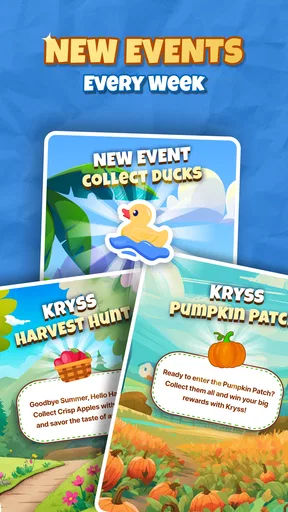
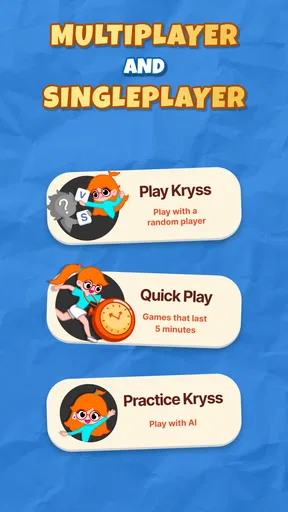
Now, let’s talk features. Kryss offers a variety of game modes, including tournaments and daily challenges, which are perfect for keeping things fresh. The daily challenges are particularly addictive; they’re a quick way to earn extra rewards and sharpen your skills.
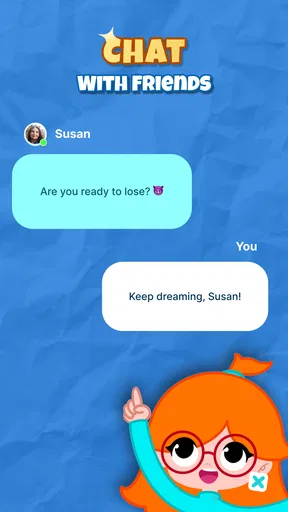
One thing I absolutely love is the in-game chat feature. It turns each match into a social event, allowing you to banter with friends or even make new ones. It’s not just about the words; it’s about the community and connections you build along the way.
And for those who are competitive at heart, the leaderboard is where you’ll want to be. Climbing the ranks is no easy feat, but it’s immensely rewarding. Every win brings you closer to the top, and the bragging rights are totally worth it.
Visuals and User Experience
The visuals in Kryss are straightforward yet engaging. The color scheme is easy on the eyes, which is crucial for those long gaming sessions. The animations are smooth, and the overall design doesn’t distract from the gameplay. I appreciate how user-friendly it is, making it accessible for players of all ages.
Navigation through the app is a breeze. Everything is just a tap away, from starting a new game to checking your statistics. It’s clear that a lot of thought went into making the user experience as seamless as possible.
Final Thoughts
All in all, Kryss - The Battle of Words is a gem for anyone who loves word games with a competitive edge. It’s got everything you’d want: strategy, social interaction, and a touch of adrenaline. Whether you’re a crossword aficionado or just looking for a fun way to pass the time, Kryss has got you covered.
So, what are you waiting for? Grab your phone, download the app, and start battling it out with words. Happy gaming!
Pros
- Engaging multiplayer word battles.
- User-friendly interface design.
- Regular updates with new features.
- Cross-platform play available.
- Encourages vocabulary improvement.
Cons
- Requires constant internet connection.
- In-app purchases can be pricey.
- Occasional matchmaking issues.
- Limited solo play options.
- Ads can interrupt game flow.
FAQs for Kryss - The Battle of Words
What is Kryss - The Battle of Words?
Kryss - The Battle of Words is a competitive word game that combines elements of classic crossword puzzles with strategic gameplay. Players challenge opponents to create words on a grid using given letters, aiming for high scores. It's available on both Android and iOS platforms, making it accessible to a wide audience.
How do I play Kryss - The Battle of Words?
In Kryss, players take turns placing words on a crossword-style grid using a shared pool of letters. The objective is to score the highest points by strategically using bonus squares and creating complex words. The game requires both a good vocabulary and strategic thinking to outmaneuver opponents.
Is Kryss - The Battle of Words free to play?
Kryss is free to download and play, but it includes in-app purchases. Players can buy various items like additional games or power-ups to enhance their experience. While not necessary for basic gameplay, these purchases can provide advantages or additional content for those interested.
Can I play Kryss - The Battle of Words offline?
Kryss primarily functions as an online multiplayer game, requiring an internet connection to play against opponents. However, there may be limited features available offline, such as practice modes or tutorials. For the full multiplayer experience, a stable internet connection is recommended.
What are the system requirements for Kryss?
Kryss - The Battle of Words requires a device running at least Android 5.0 or iOS 10.0. It is compatible with most modern smartphones and tablets. Ensuring your device meets these requirements will provide a smooth and enjoyable gaming experience without any technical issues.


